Buy 180x360.eu ?
We are moving the project
180x360.eu .
Are you interested in purchasing the domain
180x360.eu ?
domain@kv-gmbh.de · 0541-91531010
Buy 180x360.eu ?
'Will + participle 2?'
"Will + participle 2" is a construction used to form the future perfect tense in English. It is used to indicate an action that will be completed before a specific point in the future. This construction is formed by using the auxiliary verb "will" followed by the past participle of the main verb. For example, "By the time you arrive, I will have finished my homework." **
What are the Latin forms of the present participle, perfect passive participle, and future active participle?
The Latin present participle is formed by adding -ns, -ntis to the present stem of the verb. For example, the present participle of the verb "amo" (I love) is "amans, amantis" (loving). The perfect passive participle is formed by adding -us, -a, -um to the verb stem. For example, the perfect passive participle of the verb "amo" is "amatus, amata, amatum" (loved). The future active participle is formed by adding -urus, -ura, -urum to the verb stem. For example, the future active participle of the verb "amo" is "amaturus, amatura, amaturum" (about to love). **

Similar search terms for Participle
Top-Angebote
Products related to Participle:
-
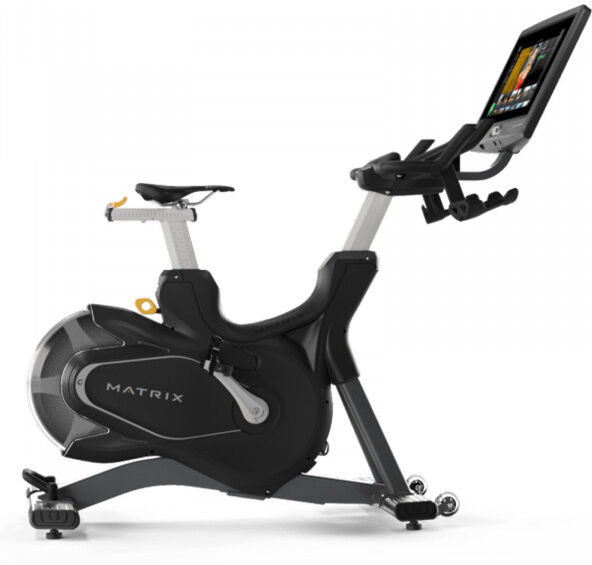
Matrix Virtual Training Cycle CXVTHE MATRIX VIRTUAL TRAINING CYCLE The Matrix Virtual Training Cycle is the purpose built bike for your cardio zone. Whether gym members are challenging themselves with exclusive workouts, enjoying streaming entertainment or taking on an immersive group class, the Virtual Training Cycle will...4794,00 £*Shipping: 0,00 £Secure redirect to the provider
-
soundcore P31i Wireless Earbuds with Immersive Adaptive ANCBulk Headphones, Earbuds, and Speakers for Business >>>>> Real-Time Adaptive Noise Cancelling Advanced ANC reduces noise by up to 52 dB. Adaptive technology detects your surroundings and automatically chooses the best noise-cancelling level for you....32,99 $*Shipping: 0,00 $Secure redirect to the provider
-
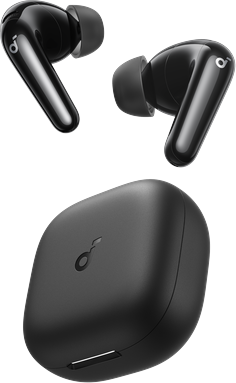
soundcore P31i Wireless Earbuds with Immersive Adaptive ANC BlackReal-Time Adaptive Noise Cancelling: Reduces noise by up to 52 dB with adaptive technology that detects your surroundings and automatically chooses the best noise-cancelling level for you. Hi-Res Certified Sound with LDAC: Enjoy stunning, lossless Hi-Fi audio powered by LDAC and Hi-Res Audio certifications. These noise-cancelling earbuds accurately deliver the fine details for rich, well-balanced treble and bass. Instant AI Translation: Instantly understand 100 languages with accurate two-way translation to make communicating with the world even easier and real-time translation so you understand speeches or meetings no matter where you are. Crisp, Clear Calls: Six microphones and advanced AI work together to filter out external noise and wind for crystal-clear calls. Be heard loud and clear no matter where you are, for conversations that sound like they're face-to-face. Listen for Longer: Get up to 10 hours of playtime on a single charge and a total of 50 with the case, with noise cancellation enabled, get up to 8 hours of playtime on a single charge and a total of 40 with the case. A 10-minute charge delivers up to 3 hours of playtime.28,48 £*Shipping: 0,00 £Secure redirect to the provider
-
soundcore P31i Wireless Earbuds with Immersive Adaptive ANCBulk Headphones, Earbuds, and Speakers for Business >>>>> Real-Time Adaptive Noise Cancelling Advanced ANC reduces noise by up to 52 dB. Adaptive technology detects your surroundings and automatically chooses the best noise-cancelling level for you....32,99 $*Shipping: 0,00 $Secure redirect to the provider

-
What are participle clauses?
Participle clauses are a type of clause that uses a present participle (-ing form) or a past participle (-ed form) to provide additional information about the subject of the main clause. They can be used to show simultaneous actions, cause and effect, or to provide descriptive details. For example, in the sentence "Feeling tired, she decided to go to bed," the participle clause "Feeling tired" provides additional information about the subject "she." **
-
What is a participle?
A participle is a form of a verb that can function as an adjective or be part of a verb phrase. There are two types of participles in English: the present participle, which ends in -ing (e.g. "walking"), and the past participle, which can end in -ed, -en, -d, -t, -n, or -ne (e.g. "broken"). Participles are used to modify nouns or pronouns, and they can also be used to form verb tenses such as the present perfect or past perfect. **
-
What is the difference between the past participle and the present participle?
The past participle is a verb form used to indicate a completed action or state that occurred in the past. It is often used with auxiliary verbs to form the perfect tenses (e.g., "has eaten," "had gone"). The present participle, on the other hand, is a verb form used to indicate an ongoing action or state in the present or future. It is formed by adding "-ing" to the base form of the verb and is used to create the progressive tenses (e.g., "is eating," "will be going"). **
-
How can the terms premature, simultaneous, and subsequent be explained in relation to past participle, present participle, and future participle?
The terms premature, simultaneous, and subsequent can be explained in relation to past participle, present participle, and future participle based on their timing in relation to the action of the verb. The past participle refers to an action that has already been completed, making it premature in relation to the present moment. The present participle refers to an action that is happening at the same time as something else, making it simultaneous. The future participle refers to an action that will happen at a later time, making it subsequent to the present moment. These terms help to clarify the timing of the action in relation to the verb. **


What is a substantivized participle?
A substantivized participle is a verb form that has been turned into a noun by adding a definite article and declining it for case, gender, and number. In other words, it is a participle that has been transformed into a noun and can function as a subject, object, or complement in a sentence. This process allows the participle to take on the characteristics of a noun while still retaining some of its verbal qualities. **
What is a nominalized participle?
A nominalized participle is a verb form that has been turned into a noun. This is done by adding a suffix to the participle form of the verb, which allows it to function as a noun in a sentence. Nominalized participles are commonly used in various languages to express actions or qualities in a more abstract or general way. **
Top-Angebote
Products related to Participle:
-
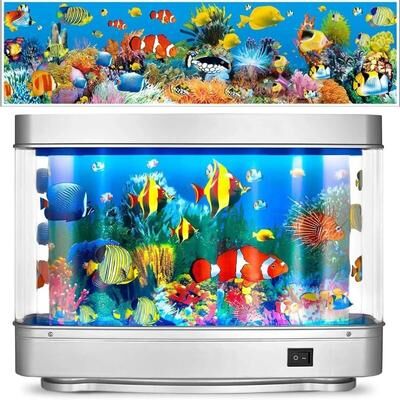
Uplift Essentials Virtual Motion Ocean Aquarium Lamp Virtual Motion Ocean Aquarium Lamp"Experience the tranquil beauty of the deep blue without the maintenance of a real tank with the Virtual Motion Ocean Aquarium Lamp. This creative decorative piece uses highdefinition ""moving picture"" technology to simulate a vibrant tropical reef,..."79,97 $*Shipping: 0,00 $Secure redirect to the provider
-
Uplift Essentials Serene Motion Virtual Aquarium Lamp Serene Motion Virtual Aquarium Lamp"Bring the soothing magic of the underwater world to your tabletop with the Serene Motion Virtual Aquarium Lamp. This highdefinition desktop aquarium decorative light uses advanced ""movingpicture"" technology to create a mesmerizing, continuous swim..."82,97 $*Shipping: 0,00 $Secure redirect to the provider
-
Matrix Virtual Training Cycle CXVTHE MATRIX VIRTUAL TRAINING CYCLE The Matrix Virtual Training Cycle is the purpose built bike for your cardio zone. Whether gym members are challenging themselves with exclusive workouts, enjoying streaming entertainment or taking on an immersive group class, the Virtual Training Cycle will...4794,00 £*Shipping: 0,00 £Secure redirect to the provider
-
soundcore P31i Wireless Earbuds with Immersive Adaptive ANCBulk Headphones, Earbuds, and Speakers for Business >>>>> Real-Time Adaptive Noise Cancelling Advanced ANC reduces noise by up to 52 dB. Adaptive technology detects your surroundings and automatically chooses the best noise-cancelling level for you....32,99 $*Shipping: 0,00 $Secure redirect to the provider
-
'Will + participle 2?'
"Will + participle 2" is a construction used to form the future perfect tense in English. It is used to indicate an action that will be completed before a specific point in the future. This construction is formed by using the auxiliary verb "will" followed by the past participle of the main verb. For example, "By the time you arrive, I will have finished my homework." **
-
What are the Latin forms of the present participle, perfect passive participle, and future active participle?
The Latin present participle is formed by adding -ns, -ntis to the present stem of the verb. For example, the present participle of the verb "amo" (I love) is "amans, amantis" (loving). The perfect passive participle is formed by adding -us, -a, -um to the verb stem. For example, the perfect passive participle of the verb "amo" is "amatus, amata, amatum" (loved). The future active participle is formed by adding -urus, -ura, -urum to the verb stem. For example, the future active participle of the verb "amo" is "amaturus, amatura, amaturum" (about to love). **
-
What are participle clauses?
Participle clauses are a type of clause that uses a present participle (-ing form) or a past participle (-ed form) to provide additional information about the subject of the main clause. They can be used to show simultaneous actions, cause and effect, or to provide descriptive details. For example, in the sentence "Feeling tired, she decided to go to bed," the participle clause "Feeling tired" provides additional information about the subject "she." **
-
What is a participle?
A participle is a form of a verb that can function as an adjective or be part of a verb phrase. There are two types of participles in English: the present participle, which ends in -ing (e.g. "walking"), and the past participle, which can end in -ed, -en, -d, -t, -n, or -ne (e.g. "broken"). Participles are used to modify nouns or pronouns, and they can also be used to form verb tenses such as the present perfect or past perfect. **
Similar search terms for Participle
-
soundcore P31i Wireless Earbuds with Immersive Adaptive ANC BlackReal-Time Adaptive Noise Cancelling: Reduces noise by up to 52 dB with adaptive technology that detects your surroundings and automatically chooses the best noise-cancelling level for you. Hi-Res Certified Sound with LDAC: Enjoy stunning, lossless Hi-Fi audio powered by LDAC and Hi-Res Audio certifications. These noise-cancelling earbuds accurately deliver the fine details for rich, well-balanced treble and bass. Instant AI Translation: Instantly understand 100 languages with accurate two-way translation to make communicating with the world even easier and real-time translation so you understand speeches or meetings no matter where you are. Crisp, Clear Calls: Six microphones and advanced AI work together to filter out external noise and wind for crystal-clear calls. Be heard loud and clear no matter where you are, for conversations that sound like they're face-to-face. Listen for Longer: Get up to 10 hours of playtime on a single charge and a total of 50 with the case, with noise cancellation enabled, get up to 8 hours of playtime on a single charge and a total of 40 with the case. A 10-minute charge delivers up to 3 hours of playtime.28,48 £*Shipping: 0,00 £Secure redirect to the provider
-
soundcore P31i Wireless Earbuds with Immersive Adaptive ANCBulk Headphones, Earbuds, and Speakers for Business >>>>> Real-Time Adaptive Noise Cancelling Advanced ANC reduces noise by up to 52 dB. Adaptive technology detects your surroundings and automatically chooses the best noise-cancelling level for you....32,99 $*Shipping: 0,00 $Secure redirect to the provider
-
soundcore P31i Wireless Earbuds with Immersive Adaptive ANCBulk Headphones, Earbuds, and Speakers for Business >>>>> Real-Time Adaptive Noise Cancelling Advanced ANC reduces noise by up to 52 dB. Adaptive technology detects your surroundings and automatically chooses the best noise-cancelling level for you....32,99 $*Shipping: 0,00 $Secure redirect to the provider
-
soundcore P31i Wireless Earbuds with Immersive Adaptive ANCBulk Headphones, Earbuds, and Speakers for Business >>>>> Real-Time Adaptive Noise Cancelling Advanced ANC reduces noise by up to 52 dB. Adaptive technology detects your surroundings and automatically chooses the best noise-cancelling level for you....32,99 $*Shipping: 0,00 $Secure redirect to the provider
-
What is the difference between the past participle and the present participle?
The past participle is a verb form used to indicate a completed action or state that occurred in the past. It is often used with auxiliary verbs to form the perfect tenses (e.g., "has eaten," "had gone"). The present participle, on the other hand, is a verb form used to indicate an ongoing action or state in the present or future. It is formed by adding "-ing" to the base form of the verb and is used to create the progressive tenses (e.g., "is eating," "will be going"). **
-
How can the terms premature, simultaneous, and subsequent be explained in relation to past participle, present participle, and future participle?
The terms premature, simultaneous, and subsequent can be explained in relation to past participle, present participle, and future participle based on their timing in relation to the action of the verb. The past participle refers to an action that has already been completed, making it premature in relation to the present moment. The present participle refers to an action that is happening at the same time as something else, making it simultaneous. The future participle refers to an action that will happen at a later time, making it subsequent to the present moment. These terms help to clarify the timing of the action in relation to the verb. **
-
What is a substantivized participle?
A substantivized participle is a verb form that has been turned into a noun by adding a definite article and declining it for case, gender, and number. In other words, it is a participle that has been transformed into a noun and can function as a subject, object, or complement in a sentence. This process allows the participle to take on the characteristics of a noun while still retaining some of its verbal qualities. **
-
What is a nominalized participle?
A nominalized participle is a verb form that has been turned into a noun. This is done by adding a suffix to the participle form of the verb, which allows it to function as a noun in a sentence. Nominalized participles are commonly used in various languages to express actions or qualities in a more abstract or general way. **
* All prices are inclusive of VAT and, if applicable, plus shipping costs. The offer information is based on the details provided by the respective shop and is updated through automated processes. Real-time updates do not occur, so deviations can occur in individual cases. ** Note: Parts of this content were created by AI.