Buy 180x360.eu ?
We are moving the project
180x360.eu .
Are you interested in purchasing the domain
180x360.eu ?
domain@kv-gmbh.de · 0541-91531010
Buy 180x360.eu ?
Which tenses exist in Swiss German that only have two tenses?
In Swiss German, there are two tenses that only have two forms: the present tense and the past tense. The present tense is used to talk about actions happening in the present, while the past tense is used to talk about actions that have already happened. Unlike in Standard German, there is no distinction between the simple past and the present perfect tense in Swiss German. **
Which tenses are related?
The tenses that are related in English are the simple present, simple past, and simple future tenses. These tenses are the basic forms of verb conjugation and are used to express actions or states that occur in the present, past, or future respectively. They are often used as building blocks for more complex tenses and can be combined with auxiliary verbs to convey different shades of meaning. Understanding the relationship between these tenses is essential for mastering English grammar. **

Similar search terms for Tenses
Top-Angebote
Products related to Tenses:
-
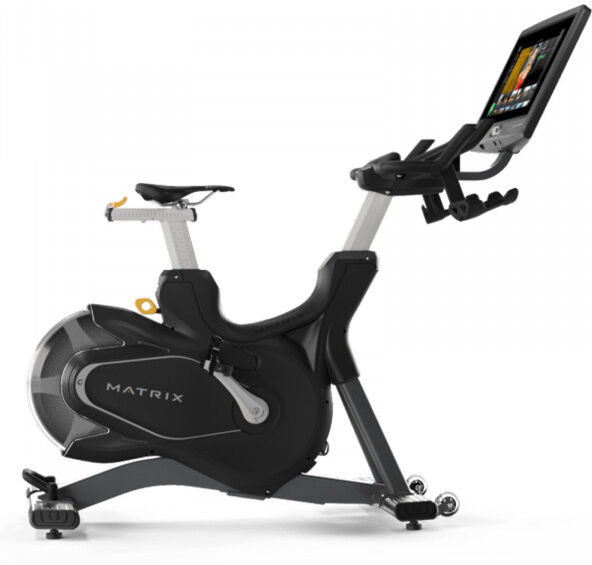
Matrix Virtual Training Cycle CXVTHE MATRIX VIRTUAL TRAINING CYCLE The Matrix Virtual Training Cycle is the purpose built bike for your cardio zone. Whether gym members are challenging themselves with exclusive workouts, enjoying streaming entertainment or taking on an immersive group class, the Virtual Training Cycle will...4794,00 £*Shipping: 0,00 £Secure redirect to the provider
-
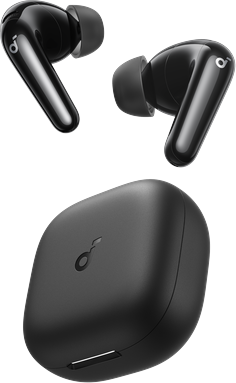
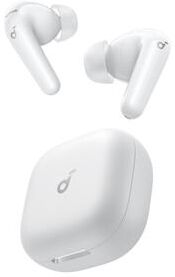
soundcore P31i Wireless Earbuds with Immersive Adaptive ANCBulk Headphones, Earbuds, and Speakers for Business >>>>> Real-Time Adaptive Noise Cancelling Advanced ANC reduces noise by up to 52 dB. Adaptive technology detects your surroundings and automatically chooses the best noise-cancelling level for you....32,99 $*Shipping: 0,00 $Secure redirect to the provider
-
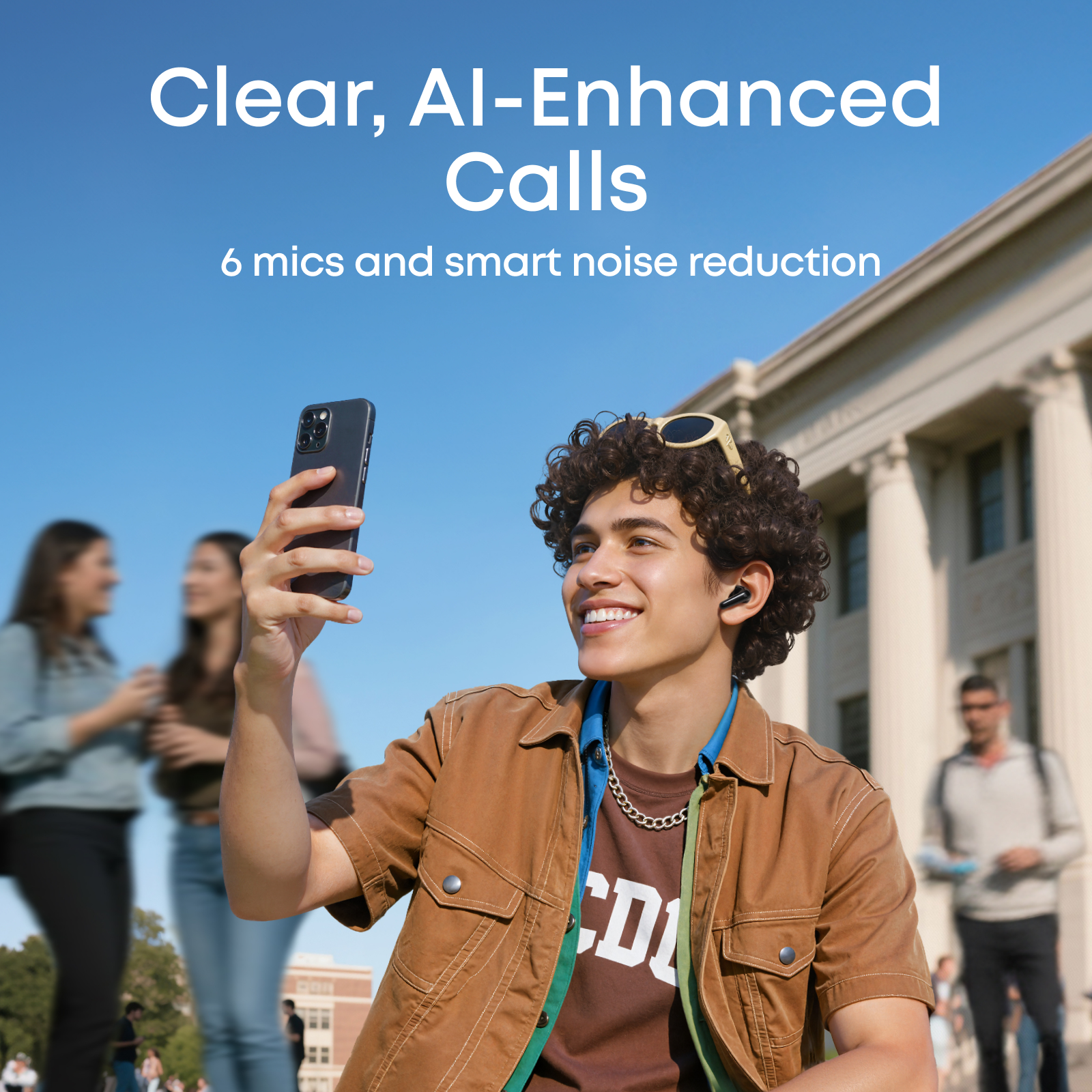
soundcore P31i Wireless Earbuds with Immersive Adaptive ANC BlackReal-Time Adaptive Noise Cancelling: Reduces noise by up to 52 dB with adaptive technology that detects your surroundings and automatically chooses the best noise-cancelling level for you. Hi-Res Certified Sound with LDAC: Enjoy stunning, lossless Hi-Fi audio powered by LDAC and Hi-Res Audio certifications. These noise-cancelling earbuds accurately deliver the fine details for rich, well-balanced treble and bass. Instant AI Translation: Instantly understand 100 languages with accurate two-way translation to make communicating with the world even easier and real-time translation so you understand speeches or meetings no matter where you are. Crisp, Clear Calls: Six microphones and advanced AI work together to filter out external noise and wind for crystal-clear calls. Be heard loud and clear no matter where you are, for conversations that sound like they're face-to-face. Listen for Longer: Get up to 10 hours of playtime on a single charge and a total of 50 with the case, with noise cancellation enabled, get up to 8 hours of playtime on a single charge and a total of 40 with the case. A 10-minute charge delivers up to 3 hours of playtime.28,48 £*Shipping: 0,00 £Secure redirect to the provider
-
soundcore P31i Wireless Earbuds with Immersive Adaptive ANCBulk Headphones, Earbuds, and Speakers for Business >>>>> Real-Time Adaptive Noise Cancelling Advanced ANC reduces noise by up to 52 dB. Adaptive technology detects your surroundings and automatically chooses the best noise-cancelling level for you....32,99 $*Shipping: 0,00 $Secure redirect to the provider
-
Which tenses are there in Swiss German that only have two tenses?
In Swiss German, there are two tenses that only have two forms: present and past. The present tense is used to describe actions happening in the present moment, while the past tense is used to talk about actions that have already occurred. These two tenses are commonly used in everyday conversations in Swiss German. **
-
Which tenses are there in Swiss German that have only two tenses?
In Swiss German, there are two tenses that have only two forms: the present tense and the past tense. The present tense is used to describe actions happening in the present moment, while the past tense is used to talk about actions that have already happened. Unlike Standard German, Swiss German does not have a separate future tense, so speakers use the present tense or auxiliary verbs to indicate future actions. **
-
Which tenses exist in Swiss German where there are only two tenses?
In Swiss German, the two tenses that exist are the present tense and the past tense. The present tense is used to describe actions that are currently happening or habitual actions, while the past tense is used to talk about actions that have already occurred. Swiss German does not have a separate future tense, as the present tense can also be used to express future actions. **
-
What are the English tenses?
The English language has 12 tenses, which are divided into three main categories: past, present, and future. Each category has four tenses: simple, continuous, perfect, and perfect continuous. The simple tenses refer to actions that are completed at a specific time, the continuous tenses refer to actions that are ongoing or in progress, the perfect tenses refer to actions that are completed before a specific time, and the perfect continuous tenses refer to actions that started in the past and are still ongoing. Understanding these tenses is essential for effective communication in English. **


What are the French tenses?
The French language has several tenses, including the present, past, and future tenses. The present tense is used to talk about actions happening in the present or habitual actions. The past tense is used to talk about completed actions in the past, and it has several forms such as the passé composé and the imparfait. The future tense is used to talk about actions that will happen in the future. Additionally, French has other tenses such as the conditional and the subjunctive, which are used to express hypothetical or uncertain actions. **
How can one recognize tenses?
One can recognize tenses by looking at the verb in a sentence and identifying the time frame in which the action is taking place. For example, if the verb ends in "-ed" it is likely in the past tense, while if it ends in "-ing" it is likely in the present continuous tense. Additionally, the use of helping verbs such as "will" or "has" can indicate future or present perfect tenses, respectively. Understanding the context of the sentence and the time frame being referred to can also help in recognizing tenses. **
Top-Angebote
Products related to Tenses:
-
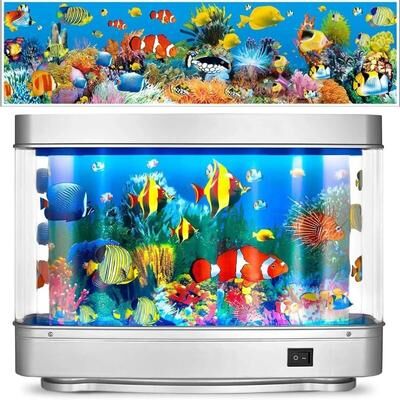
Uplift Essentials Serene Motion Virtual Aquarium Lamp Serene Motion Virtual Aquarium Lamp"Bring the soothing magic of the underwater world to your tabletop with the Serene Motion Virtual Aquarium Lamp. This highdefinition desktop aquarium decorative light uses advanced ""movingpicture"" technology to create a mesmerizing, continuous swim..."82,97 $*Shipping: 0,00 $Secure redirect to the provider
-
Uplift Essentials Virtual Motion Ocean Aquarium Lamp Virtual Motion Ocean Aquarium Lamp"Experience the tranquil beauty of the deep blue without the maintenance of a real tank with the Virtual Motion Ocean Aquarium Lamp. This creative decorative piece uses highdefinition ""moving picture"" technology to simulate a vibrant tropical reef,..."79,97 $*Shipping: 0,00 $Secure redirect to the provider
-
Matrix Virtual Training Cycle CXVTHE MATRIX VIRTUAL TRAINING CYCLE The Matrix Virtual Training Cycle is the purpose built bike for your cardio zone. Whether gym members are challenging themselves with exclusive workouts, enjoying streaming entertainment or taking on an immersive group class, the Virtual Training Cycle will...4794,00 £*Shipping: 0,00 £Secure redirect to the provider
-
soundcore P31i Wireless Earbuds with Immersive Adaptive ANCBulk Headphones, Earbuds, and Speakers for Business >>>>> Real-Time Adaptive Noise Cancelling Advanced ANC reduces noise by up to 52 dB. Adaptive technology detects your surroundings and automatically chooses the best noise-cancelling level for you....32,99 $*Shipping: 0,00 $Secure redirect to the provider
-
Which tenses exist in Swiss German that only have two tenses?
In Swiss German, there are two tenses that only have two forms: the present tense and the past tense. The present tense is used to talk about actions happening in the present, while the past tense is used to talk about actions that have already happened. Unlike in Standard German, there is no distinction between the simple past and the present perfect tense in Swiss German. **
-
Which tenses are related?
The tenses that are related in English are the simple present, simple past, and simple future tenses. These tenses are the basic forms of verb conjugation and are used to express actions or states that occur in the present, past, or future respectively. They are often used as building blocks for more complex tenses and can be combined with auxiliary verbs to convey different shades of meaning. Understanding the relationship between these tenses is essential for mastering English grammar. **
-
Which tenses are there in Swiss German that only have two tenses?
In Swiss German, there are two tenses that only have two forms: present and past. The present tense is used to describe actions happening in the present moment, while the past tense is used to talk about actions that have already occurred. These two tenses are commonly used in everyday conversations in Swiss German. **
-
Which tenses are there in Swiss German that have only two tenses?
In Swiss German, there are two tenses that have only two forms: the present tense and the past tense. The present tense is used to describe actions happening in the present moment, while the past tense is used to talk about actions that have already happened. Unlike Standard German, Swiss German does not have a separate future tense, so speakers use the present tense or auxiliary verbs to indicate future actions. **
Similar search terms for Tenses
-
soundcore P31i Wireless Earbuds with Immersive Adaptive ANC BlackReal-Time Adaptive Noise Cancelling: Reduces noise by up to 52 dB with adaptive technology that detects your surroundings and automatically chooses the best noise-cancelling level for you. Hi-Res Certified Sound with LDAC: Enjoy stunning, lossless Hi-Fi audio powered by LDAC and Hi-Res Audio certifications. These noise-cancelling earbuds accurately deliver the fine details for rich, well-balanced treble and bass. Instant AI Translation: Instantly understand 100 languages with accurate two-way translation to make communicating with the world even easier and real-time translation so you understand speeches or meetings no matter where you are. Crisp, Clear Calls: Six microphones and advanced AI work together to filter out external noise and wind for crystal-clear calls. Be heard loud and clear no matter where you are, for conversations that sound like they're face-to-face. Listen for Longer: Get up to 10 hours of playtime on a single charge and a total of 50 with the case, with noise cancellation enabled, get up to 8 hours of playtime on a single charge and a total of 40 with the case. A 10-minute charge delivers up to 3 hours of playtime.28,48 £*Shipping: 0,00 £Secure redirect to the provider
-
soundcore P31i Wireless Earbuds with Immersive Adaptive ANCBulk Headphones, Earbuds, and Speakers for Business >>>>> Real-Time Adaptive Noise Cancelling Advanced ANC reduces noise by up to 52 dB. Adaptive technology detects your surroundings and automatically chooses the best noise-cancelling level for you....32,99 $*Shipping: 0,00 $Secure redirect to the provider
-
soundcore P31i Wireless Earbuds with Immersive Adaptive ANCBulk Headphones, Earbuds, and Speakers for Business >>>>> Real-Time Adaptive Noise Cancelling Advanced ANC reduces noise by up to 52 dB. Adaptive technology detects your surroundings and automatically chooses the best noise-cancelling level for you....32,99 $*Shipping: 0,00 $Secure redirect to the provider
-
soundcore P31i Wireless Earbuds with Immersive Adaptive ANCBulk Headphones, Earbuds, and Speakers for Business >>>>> Real-Time Adaptive Noise Cancelling Advanced ANC reduces noise by up to 52 dB. Adaptive technology detects your surroundings and automatically chooses the best noise-cancelling level for you....32,99 $*Shipping: 0,00 $Secure redirect to the provider
-
Which tenses exist in Swiss German where there are only two tenses?
In Swiss German, the two tenses that exist are the present tense and the past tense. The present tense is used to describe actions that are currently happening or habitual actions, while the past tense is used to talk about actions that have already occurred. Swiss German does not have a separate future tense, as the present tense can also be used to express future actions. **
-
What are the English tenses?
The English language has 12 tenses, which are divided into three main categories: past, present, and future. Each category has four tenses: simple, continuous, perfect, and perfect continuous. The simple tenses refer to actions that are completed at a specific time, the continuous tenses refer to actions that are ongoing or in progress, the perfect tenses refer to actions that are completed before a specific time, and the perfect continuous tenses refer to actions that started in the past and are still ongoing. Understanding these tenses is essential for effective communication in English. **
-
What are the French tenses?
The French language has several tenses, including the present, past, and future tenses. The present tense is used to talk about actions happening in the present or habitual actions. The past tense is used to talk about completed actions in the past, and it has several forms such as the passé composé and the imparfait. The future tense is used to talk about actions that will happen in the future. Additionally, French has other tenses such as the conditional and the subjunctive, which are used to express hypothetical or uncertain actions. **
-
How can one recognize tenses?
One can recognize tenses by looking at the verb in a sentence and identifying the time frame in which the action is taking place. For example, if the verb ends in "-ed" it is likely in the past tense, while if it ends in "-ing" it is likely in the present continuous tense. Additionally, the use of helping verbs such as "will" or "has" can indicate future or present perfect tenses, respectively. Understanding the context of the sentence and the time frame being referred to can also help in recognizing tenses. **
* All prices are inclusive of VAT and, if applicable, plus shipping costs. The offer information is based on the details provided by the respective shop and is updated through automated processes. Real-time updates do not occur, so deviations can occur in individual cases. ** Note: Parts of this content were created by AI.