Buy 180x360.eu ?
We are moving the project
180x360.eu .
Are you interested in purchasing the domain
180x360.eu ?
domain@kv-gmbh.de · 0541-91531010
Buy 180x360.eu ?
What is special about Taq polymerase?
Taq polymerase is special because it is derived from the thermophilic bacterium Thermus aquaticus, which thrives in high-temperature environments. This makes Taq polymerase highly heat-stable, allowing it to withstand the high temperatures used in the polymerase chain reaction (PCR) process. Additionally, Taq polymerase has a unique ability to add nucleotides to DNA strands at high temperatures, making it an essential enzyme for amplifying DNA in PCR. Its heat stability and unique enzymatic properties have made Taq polymerase a crucial tool in molecular biology and genetic research. **
When does the polymerase stop during PCR?
The polymerase stops during PCR at the end of each cycle when the temperature is lowered for the annealing step. This allows the primers to bind to the template DNA and the polymerase to begin synthesizing new DNA strands. After the annealing step, the polymerase resumes its activity during the extension step, where it adds nucleotides to the growing DNA strands. This cycle of denaturation, annealing, and extension is repeated multiple times to amplify the target DNA sequence. **


Similar search terms for Polymerase
Top-Angebote
Products related to Polymerase:
-
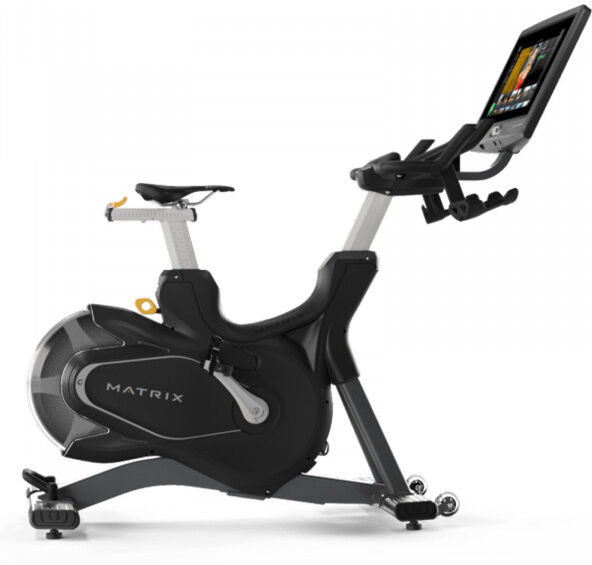
Matrix Virtual Training Cycle CXVTHE MATRIX VIRTUAL TRAINING CYCLE The Matrix Virtual Training Cycle is the purpose built bike for your cardio zone. Whether gym members are challenging themselves with exclusive workouts, enjoying streaming entertainment or taking on an immersive group class, the Virtual Training Cycle will...4794,00 £*Shipping: 0,00 £Secure redirect to the provider
-
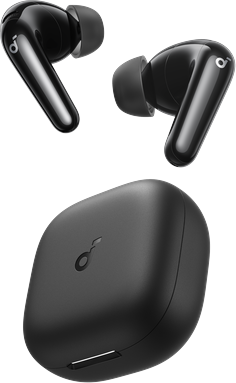
soundcore P31i Wireless Earbuds with Immersive Adaptive ANCBulk Headphones, Earbuds, and Speakers for Business >>>>> Real-Time Adaptive Noise Cancelling Advanced ANC reduces noise by up to 52 dB. Adaptive technology detects your surroundings and automatically chooses the best noise-cancelling level for you....32,99 $*Shipping: 0,00 $Secure redirect to the provider
-
soundcore P31i Wireless Earbuds with Immersive Adaptive ANC BlackReal-Time Adaptive Noise Cancelling: Reduces noise by up to 52 dB with adaptive technology that detects your surroundings and automatically chooses the best noise-cancelling level for you. Hi-Res Certified Sound with LDAC: Enjoy stunning, lossless Hi-Fi audio powered by LDAC and Hi-Res Audio certifications. These noise-cancelling earbuds accurately deliver the fine details for rich, well-balanced treble and bass. Instant AI Translation: Instantly understand 100 languages with accurate two-way translation to make communicating with the world even easier and real-time translation so you understand speeches or meetings no matter where you are. Crisp, Clear Calls: Six microphones and advanced AI work together to filter out external noise and wind for crystal-clear calls. Be heard loud and clear no matter where you are, for conversations that sound like they're face-to-face. Listen for Longer: Get up to 10 hours of playtime on a single charge and a total of 50 with the case, with noise cancellation enabled, get up to 8 hours of playtime on a single charge and a total of 40 with the case. A 10-minute charge delivers up to 3 hours of playtime.28,48 £*Shipping: 0,00 £Secure redirect to the provider
-
soundcore P31i Wireless Earbuds with Immersive Adaptive ANCBulk Headphones, Earbuds, and Speakers for Business >>>>> Real-Time Adaptive Noise Cancelling Advanced ANC reduces noise by up to 52 dB. Adaptive technology detects your surroundings and automatically chooses the best noise-cancelling level for you....32,99 $*Shipping: 0,00 $Secure redirect to the provider

-
What is the function of polymerase in biology?
Polymerase is an enzyme that plays a crucial role in DNA replication and transcription. It is responsible for catalyzing the formation of new DNA strands by adding complementary nucleotides to a template DNA strand during replication. In transcription, polymerase helps in the synthesis of RNA molecules by transcribing the genetic information from DNA. Overall, polymerase is essential for the accurate and efficient copying of genetic information in cells. **
-
What is the difference between ligase and polymerase?
Ligase and polymerase are both enzymes involved in DNA replication and repair, but they have different functions. Polymerase is responsible for adding new nucleotides to the growing DNA strand during replication, while ligase is responsible for joining together the Okazaki fragments on the lagging strand of DNA. In other words, polymerase synthesizes new DNA strands, while ligase seals the nicks and gaps in the DNA backbone. Additionally, polymerase requires a primer to start DNA synthesis, while ligase does not. **
-
What is the difference between helicase and RNA polymerase?
Helicase is an enzyme that unwinds the double-stranded DNA helix during DNA replication, while RNA polymerase is an enzyme that synthesizes RNA from a DNA template during transcription. Helicase functions to separate the two DNA strands, allowing other enzymes like DNA polymerase to access the DNA for replication. On the other hand, RNA polymerase reads the DNA template and synthesizes a complementary RNA strand. Overall, helicase is involved in DNA replication, while RNA polymerase is involved in transcription. **
-
What is the Polymerase Chain Reaction (PCR) in brief?
The Polymerase Chain Reaction (PCR) is a laboratory technique used to amplify a specific segment of DNA. It involves a series of temperature-controlled cycles that cause the DNA to be repeatedly copied, resulting in a significant increase in the amount of DNA available for analysis. PCR is widely used in various fields such as genetics, forensics, and medical diagnostics, as it allows for the rapid and efficient replication of DNA sequences. This technique has revolutionized the study and application of DNA, enabling researchers to analyze and manipulate genetic material with high precision and speed. **


Why can't the polymerase chain reaction be used to replicate dinosaur DNA?
The polymerase chain reaction (PCR) cannot be used to replicate dinosaur DNA because the DNA from dinosaurs is too old and degraded. Over millions of years, the DNA breaks down and becomes fragmented, making it impossible to accurately replicate using PCR. Additionally, the PCR process requires specific sequences of DNA to work effectively, and the degraded nature of dinosaur DNA makes it difficult to find intact sequences to amplify. Therefore, other methods, such as paleogenomics, are being explored to study and potentially replicate dinosaur DNA. **
Why does the polymerase work in the 3'-5' direction and the 5'-3' direction?
The polymerase works in the 3'-5' direction during proofreading because it is able to detect and remove any incorrectly incorporated nucleotides. This direction allows the polymerase to recognize and excise the incorrect nucleotide from the 3' end of the growing DNA strand. On the other hand, the polymerase works in the 5'-3' direction during DNA synthesis because it adds new nucleotides to the 3' end of the growing DNA strand. This directionality is essential for the accurate and efficient replication of the DNA molecule. **
Top-Angebote
Products related to Polymerase:
-
Uplift Essentials Serene Motion Virtual Aquarium Lamp Serene Motion Virtual Aquarium Lamp"Bring the soothing magic of the underwater world to your tabletop with the Serene Motion Virtual Aquarium Lamp. This highdefinition desktop aquarium decorative light uses advanced ""movingpicture"" technology to create a mesmerizing, continuous swim..."82,97 $*Shipping: 0,00 $Secure redirect to the provider
-
Uplift Essentials Virtual Motion Ocean Aquarium Lamp Virtual Motion Ocean Aquarium Lamp"Experience the tranquil beauty of the deep blue without the maintenance of a real tank with the Virtual Motion Ocean Aquarium Lamp. This creative decorative piece uses highdefinition ""moving picture"" technology to simulate a vibrant tropical reef,..."79,97 $*Shipping: 0,00 $Secure redirect to the provider
-
Matrix Virtual Training Cycle CXVTHE MATRIX VIRTUAL TRAINING CYCLE The Matrix Virtual Training Cycle is the purpose built bike for your cardio zone. Whether gym members are challenging themselves with exclusive workouts, enjoying streaming entertainment or taking on an immersive group class, the Virtual Training Cycle will...4794,00 £*Shipping: 0,00 £Secure redirect to the provider
-
soundcore P31i Wireless Earbuds with Immersive Adaptive ANCBulk Headphones, Earbuds, and Speakers for Business >>>>> Real-Time Adaptive Noise Cancelling Advanced ANC reduces noise by up to 52 dB. Adaptive technology detects your surroundings and automatically chooses the best noise-cancelling level for you....32,99 $*Shipping: 0,00 $Secure redirect to the provider
-
What is special about Taq polymerase?
Taq polymerase is special because it is derived from the thermophilic bacterium Thermus aquaticus, which thrives in high-temperature environments. This makes Taq polymerase highly heat-stable, allowing it to withstand the high temperatures used in the polymerase chain reaction (PCR) process. Additionally, Taq polymerase has a unique ability to add nucleotides to DNA strands at high temperatures, making it an essential enzyme for amplifying DNA in PCR. Its heat stability and unique enzymatic properties have made Taq polymerase a crucial tool in molecular biology and genetic research. **
-
When does the polymerase stop during PCR?
The polymerase stops during PCR at the end of each cycle when the temperature is lowered for the annealing step. This allows the primers to bind to the template DNA and the polymerase to begin synthesizing new DNA strands. After the annealing step, the polymerase resumes its activity during the extension step, where it adds nucleotides to the growing DNA strands. This cycle of denaturation, annealing, and extension is repeated multiple times to amplify the target DNA sequence. **
-
What is the function of polymerase in biology?
Polymerase is an enzyme that plays a crucial role in DNA replication and transcription. It is responsible for catalyzing the formation of new DNA strands by adding complementary nucleotides to a template DNA strand during replication. In transcription, polymerase helps in the synthesis of RNA molecules by transcribing the genetic information from DNA. Overall, polymerase is essential for the accurate and efficient copying of genetic information in cells. **
-
What is the difference between ligase and polymerase?
Ligase and polymerase are both enzymes involved in DNA replication and repair, but they have different functions. Polymerase is responsible for adding new nucleotides to the growing DNA strand during replication, while ligase is responsible for joining together the Okazaki fragments on the lagging strand of DNA. In other words, polymerase synthesizes new DNA strands, while ligase seals the nicks and gaps in the DNA backbone. Additionally, polymerase requires a primer to start DNA synthesis, while ligase does not. **
Similar search terms for Polymerase
-
soundcore P31i Wireless Earbuds with Immersive Adaptive ANC BlackReal-Time Adaptive Noise Cancelling: Reduces noise by up to 52 dB with adaptive technology that detects your surroundings and automatically chooses the best noise-cancelling level for you. Hi-Res Certified Sound with LDAC: Enjoy stunning, lossless Hi-Fi audio powered by LDAC and Hi-Res Audio certifications. These noise-cancelling earbuds accurately deliver the fine details for rich, well-balanced treble and bass. Instant AI Translation: Instantly understand 100 languages with accurate two-way translation to make communicating with the world even easier and real-time translation so you understand speeches or meetings no matter where you are. Crisp, Clear Calls: Six microphones and advanced AI work together to filter out external noise and wind for crystal-clear calls. Be heard loud and clear no matter where you are, for conversations that sound like they're face-to-face. Listen for Longer: Get up to 10 hours of playtime on a single charge and a total of 50 with the case, with noise cancellation enabled, get up to 8 hours of playtime on a single charge and a total of 40 with the case. A 10-minute charge delivers up to 3 hours of playtime.28,48 £*Shipping: 0,00 £Secure redirect to the provider
-
soundcore P31i Wireless Earbuds with Immersive Adaptive ANCBulk Headphones, Earbuds, and Speakers for Business >>>>> Real-Time Adaptive Noise Cancelling Advanced ANC reduces noise by up to 52 dB. Adaptive technology detects your surroundings and automatically chooses the best noise-cancelling level for you....32,99 $*Shipping: 0,00 $Secure redirect to the provider
-
soundcore P31i Wireless Earbuds with Immersive Adaptive ANCBulk Headphones, Earbuds, and Speakers for Business >>>>> Real-Time Adaptive Noise Cancelling Advanced ANC reduces noise by up to 52 dB. Adaptive technology detects your surroundings and automatically chooses the best noise-cancelling level for you....32,99 $*Shipping: 0,00 $Secure redirect to the provider
-
soundcore P31i Wireless Earbuds with Immersive Adaptive ANCBulk Headphones, Earbuds, and Speakers for Business >>>>> Real-Time Adaptive Noise Cancelling Advanced ANC reduces noise by up to 52 dB. Adaptive technology detects your surroundings and automatically chooses the best noise-cancelling level for you....32,99 $*Shipping: 0,00 $Secure redirect to the provider
-
What is the difference between helicase and RNA polymerase?
Helicase is an enzyme that unwinds the double-stranded DNA helix during DNA replication, while RNA polymerase is an enzyme that synthesizes RNA from a DNA template during transcription. Helicase functions to separate the two DNA strands, allowing other enzymes like DNA polymerase to access the DNA for replication. On the other hand, RNA polymerase reads the DNA template and synthesizes a complementary RNA strand. Overall, helicase is involved in DNA replication, while RNA polymerase is involved in transcription. **
-
What is the Polymerase Chain Reaction (PCR) in brief?
The Polymerase Chain Reaction (PCR) is a laboratory technique used to amplify a specific segment of DNA. It involves a series of temperature-controlled cycles that cause the DNA to be repeatedly copied, resulting in a significant increase in the amount of DNA available for analysis. PCR is widely used in various fields such as genetics, forensics, and medical diagnostics, as it allows for the rapid and efficient replication of DNA sequences. This technique has revolutionized the study and application of DNA, enabling researchers to analyze and manipulate genetic material with high precision and speed. **
-
Why can't the polymerase chain reaction be used to replicate dinosaur DNA?
The polymerase chain reaction (PCR) cannot be used to replicate dinosaur DNA because the DNA from dinosaurs is too old and degraded. Over millions of years, the DNA breaks down and becomes fragmented, making it impossible to accurately replicate using PCR. Additionally, the PCR process requires specific sequences of DNA to work effectively, and the degraded nature of dinosaur DNA makes it difficult to find intact sequences to amplify. Therefore, other methods, such as paleogenomics, are being explored to study and potentially replicate dinosaur DNA. **
-
Why does the polymerase work in the 3'-5' direction and the 5'-3' direction?
The polymerase works in the 3'-5' direction during proofreading because it is able to detect and remove any incorrectly incorporated nucleotides. This direction allows the polymerase to recognize and excise the incorrect nucleotide from the 3' end of the growing DNA strand. On the other hand, the polymerase works in the 5'-3' direction during DNA synthesis because it adds new nucleotides to the 3' end of the growing DNA strand. This directionality is essential for the accurate and efficient replication of the DNA molecule. **
* All prices are inclusive of VAT and, if applicable, plus shipping costs. The offer information is based on the details provided by the respective shop and is updated through automated processes. Real-time updates do not occur, so deviations can occur in individual cases. ** Note: Parts of this content were created by AI.